• Compare Free Quotes

  • Buy Online, No Paperwork

  • Get Instant Cover

image1 2 2
Screen Shot 2021 03 03 at 12.46.00 PM
hollard life 600px logo

What is Theft insurance?

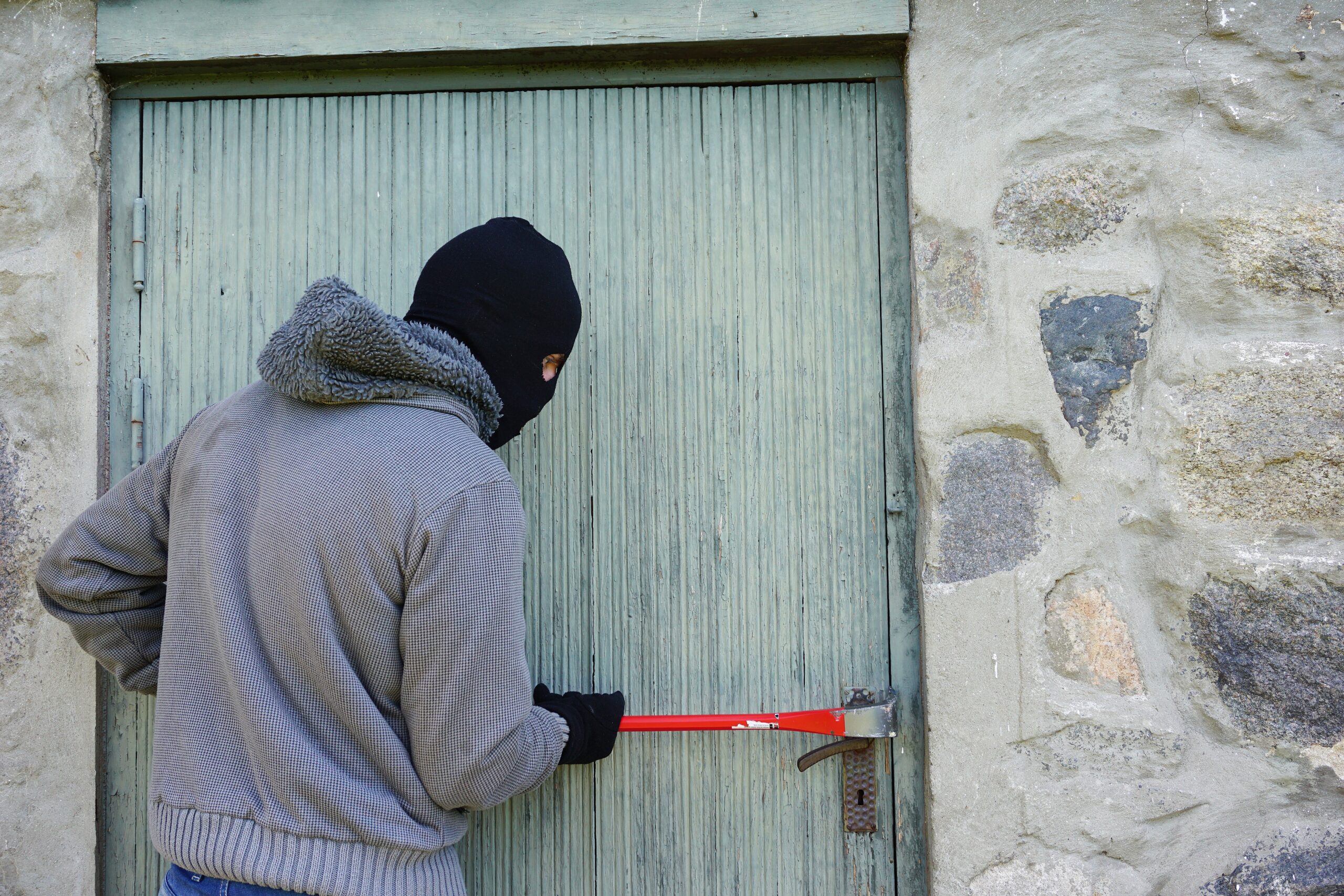
Theft insurance covers your office contents, stock, machines and other items inside of your buildings for theft, attempted theft or armed hold up. It is normal for theft insurance to require the stolen item to have been securely stored before the theft and for there to be evidence of forced entry.

thief 1562699

Who needs Theft insurance?

If your office contents, stock or machines are important to your business, and you are worried about them being stolen, Theft insurance could be a good product for you. Compared to other countries, theft insurance is taken up regularly in South Africa due to the high rate of theft.

Your office contents (furniture, computers, etc.) will have limited theft protection if you have office contents insurance in the Contents section. You can look at the policy wording and policy schedule to find out how much cover you have, but it is usually about 25% of the value that you insure.

How will Theft insurance protect my business?

Your insurance policy will have its own specific list of insured events and exclusions. It is best to check with your insurer or the policy wording to confirm the details of your Theft insurance policy.

Some commonly covered and not covered items include:

What is usually included?

  • Losses caused by
    • Robbery from forced or violent entry/exit
    • Thieves being concealed upon the insured premises before close of business
    • Skeleton keys (a key designed to fit many locks) or similar devices, used to enter or exit the premises
  • Losses while in a building at any additional premises
  • Damage to buildings in the course of theft or attempt thereat

What is usually not included? 

  • Cash, bank and currency notes, cheques, credit card vouchers postal orders, money orders, current negotiable stamps and documents or certificates of a negotiable nature
  • Loss or damage which can be insured under a fire policy
  • Loss or damage insurable under a glass insurance policy
  • Loss or damage by any principal, partner, director or any member of the insured’s household or any of the insured’s employees (as principal or accessory)
  • Loss or damage to parts or accessories of customer’s vehicles unless the entire vehicle is stolen
  • Loss of or damage to goods in the open and/or external fixtures and fittings
bermix studio 0 9WmYJ1k4g unsplash

How much cover do I need?

Most businesses choose the maximum amount of loss that their business might experience in a single event.

For example: if a business has R100 000 worth of stuff that could be stolen in one event, they usually get R100 000 cover.

It is important to carefully choose your cover amount to ensure you are not over- or under- insured.

Could this happen to my business?

Theft claims

  • Thieves entered the premises during the day, hid behind the dustbins at the back of the building and waited until everyone left.
  • During the night, they used a crowbar to get into the premises and stole everything valuable that they could find.
  • Armed robbers came to an electronics manufacturer and stole all of the stock and machines.

Temporary repairs

  • Thieves broke in and broke a few windows and a door to access the store room. Temporary measures were needed to repair the windows and door to prevent further unwanted access.
flex point security i35mOsE0z2U unsplash

What happens if I under-insure or over-insure for Theft?

If your items are worth approximately R100 000, but you think only R50 000 is at risk of being stolen – then the usual amount of cover would be R50 000. If you over-insure and take out cover for R200 000, your premium will be higher than what is needed.

If you under-insure and only take out cover for R25 000 then you face the risk of paying for some losses with the profits of your business. The insurance company will only pay up to the amount which you choose as your cover amount, your business will be responsible to pay for any amount above that.

Businesses should change their cover level if their circumstances change. For example, if a business starts keeping more stock on site, it can increase its theft limit.


Factors affecting your premium

Generally, the higher the level of risk that your business is exposed to, the higher the cost of the premium.

  • Number of past claims: the more claims you have had in the past, the higher your premium.
  • Type of business: different items have different levels of risks attached to them. Items which get transported daily or left on different sites will carry a higher risk than static items.
  • Amount of cover taken: the higher the value of your items, the higher your premium.
  • Burglar alarm: if you do not have a burglar alarm with 24-hour armed response, some insurers will not offer cover and other insurers will charge a higher premium.

Things to consider

  • If my business was broken into, would loss of business contents or stock put financial pressure on the business?
  • Is my business in a high theft risk area?
  • Do I have strong physical security systems and deterrents, such as bars on windows, lock-in shutters and alarms?

Frequently asked questions

Yes, a burglar alarm is required to be installed on the premises and to be armed when the property is unoccupied.

If it is found that the alarm system was not operative due to failure of public supply of electricity or another problem which is valid, a claim will still be honoured, so long as failure is not due to any act or omission on the Insureds part.

It is best to submit the claim form as soon as possible after a loss to ensure that there are no delays or issues, some insurers may request reasons as to why there was a delay in claiming if a form is submitted after 30 days from the date of loss.

When it comes to a theft claim, it is important to inform the police as soon as possible.

The obvious factors are your selected sections and amount of cover – more protection means higher premiums. Other major factors include occupation, address and claims history. If other businesses in your occupation or area have had lots of losses in the past, premiums will generally be higher.

If your business has had lots of losses in the past, your premiums will usually be higher. It is very important to be honest when disclosing all of your information – if an insurer finds that you were dishonest, you may not be covered when you have a claim.

Protect your business today.

arrow_upward